
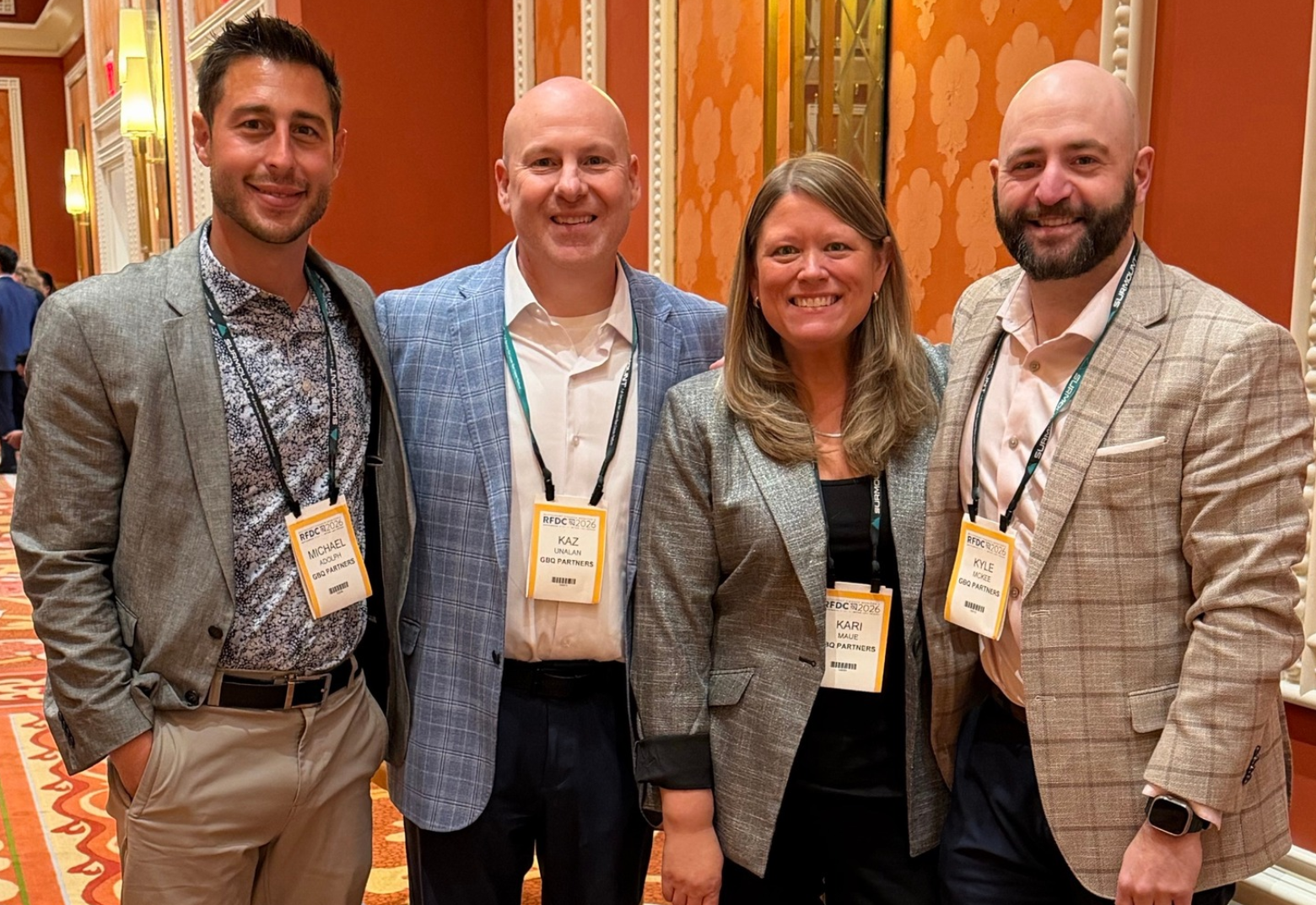
Brands, lenders, and investors still want to grow, but they are asking harder questions before they put money behind a new unit or an acquisition. Here's what stood out to us after attending the 2026 Restaurant Finance & Development Conference at the Wynn in Las Vegas on Nov. 9-11.
AI Is Getting Practical
The AI in restaurant finance panel was refreshingly practical. No one suggested AI will run the finance function, and panelists agreed that reporting, tax, and decisions about capital will still reside with people. Where operators are seeing real value today is in cutting manual work and bringing scattered data together. If your Point of Sale (POS), labor, and accounting systems don’t talk to each other, that’s the first thing to fix.
New Units Are Getting More Scrutiny
On the “AI in Restaurant Finance: What’s Real and What’s Ready” panel, CapitalSpring noted that growth-stage concepts can spend $750,000 to $1.5 million to open one location. At that price, a site selection miss is expensive, and speakers pushed for obtaining and using current trade-area data rather than a market study from a few years ago.
On the “Emerging Brands: Scaling Smarter and Faster to Meet Evolving Customer Demand” panel, operators made the same point from a different angle: put the systems and the leaders in place before you speed up openings. Panelists noted that brands rarely fail from growing too slowly, but they can stumble from growing faster than their teams and systems can support.
Value Means More Than Discounts
One of the biggest laughs of the week came during “The View from the Top” general session, when Burger King’s Tom Curtis admitted that during a past deep-discount push, customers thought the chain’s 99-cent nuggets “weren’t fit for their pet.” The point behind the joke was serious: short, quality-led promotions can bring guests in, but franchisee P&Ls can’t carry rock-bottom prices for long. Jersey Mike’s and El Pollo Loco echoed that, looking for value through bundles, beverages, and add-ons rather than deeper discounts.
The CFO panel with Cava, Taco Bell and Swig showed how differently brands are handling a stretched consumer. Cava has opened in lower-income markets and seen those units beat expectations without leaning on discounts. Taco Bell is pairing $5, $7 and $9 value meals with its loyalty program. Swig is funding new stores first and remodels second, and tests ideas in company stores before rolling them out to franchisees.
People Drive The Numbers
Burger King and Jersey Mike’s both credited recent sales gains largely to how they hire, train, and keep their teams. For finance leaders, it is a reminder that turnover and training costs show up in the P&L even when they don’t get their own line.
What This Means for Operators
If you are planning to grow, refinance, or sell in 2027, start with clean financials and connected data, and expect detailed diligence on any deal. If you would like to talk through any of this, contact GBQ’s restaurant services team.
In search of additional insight? Check out these resources:
AI & Data Analytics For Better Business Performance: What Restaurant Operators Need To Know NowRestaurant Valuations In 2026: What’s Driving Multiples Now
From Kitchen to Close: Navigating Restaurant M&A in Today’s Market (On-Demand Webinar)